After Studying Abroad

Before studying aboard, I was told that this opportunity would be one of my most life-changing, and that I would discover so many new things about myself and the world around me. After studying aboard, I can confidently say that this wasn’t true, at least not for me.

Saying this, I don’t mean that my time in London was a bad experience or that I didn’t benefit or learn from it in anyway, quite the opposite. I had an amazing time and learned so much; however, this trip for me wasn’t “life-changing”, and I didn’t really learn anything about myself and others that I didn’t already know. I was a little worried at first that my study aboard experience was mediocre or not fulfilling because I wasn’t having these fundamental epiphanies. However, I realized that the reason this wasn’t happening for me is because I was in a fairly privileged position to have “known myself” before this trip. For a long time, I’ve known who I am, what I want, where I’m going, and how I fit into this world. I realize most people my age can’t say that and that’s why studying abroad is so transformative for them. Trips like these are where individuals learn things that I already learned a while ago. So…no studying aboard wasn’t “life-changing” for me – at least not that I can immediately see – but it did solidify several things for me.

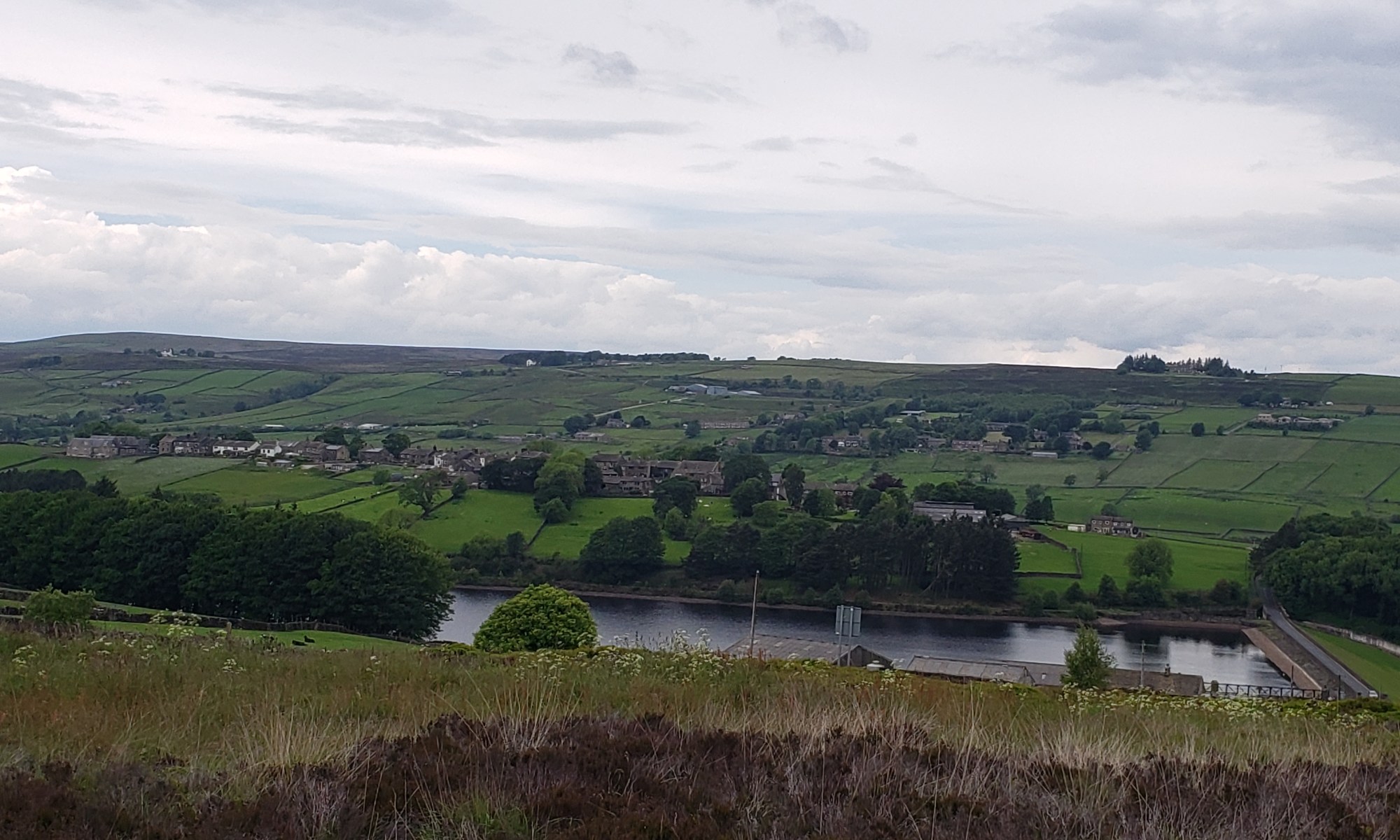
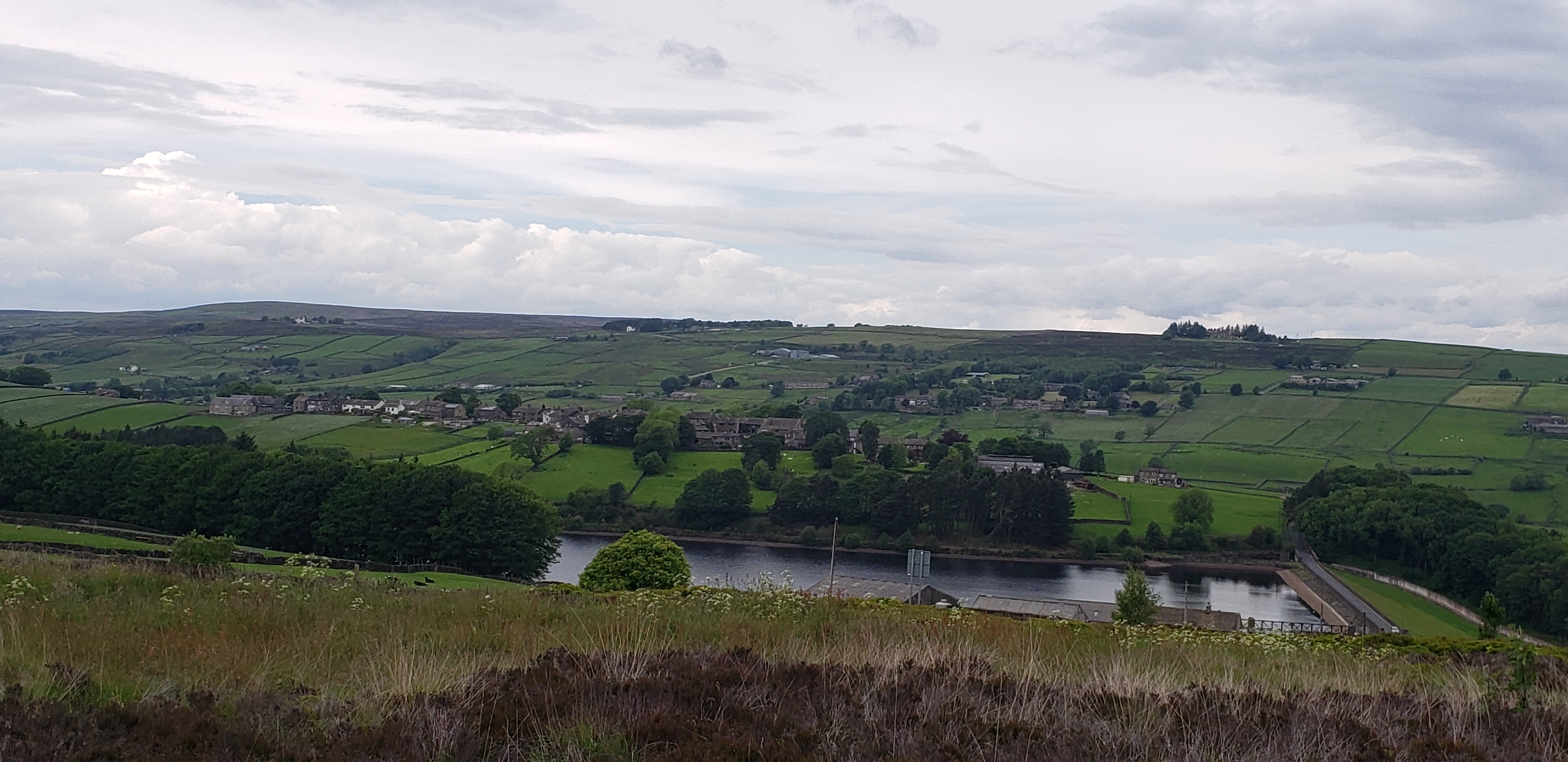
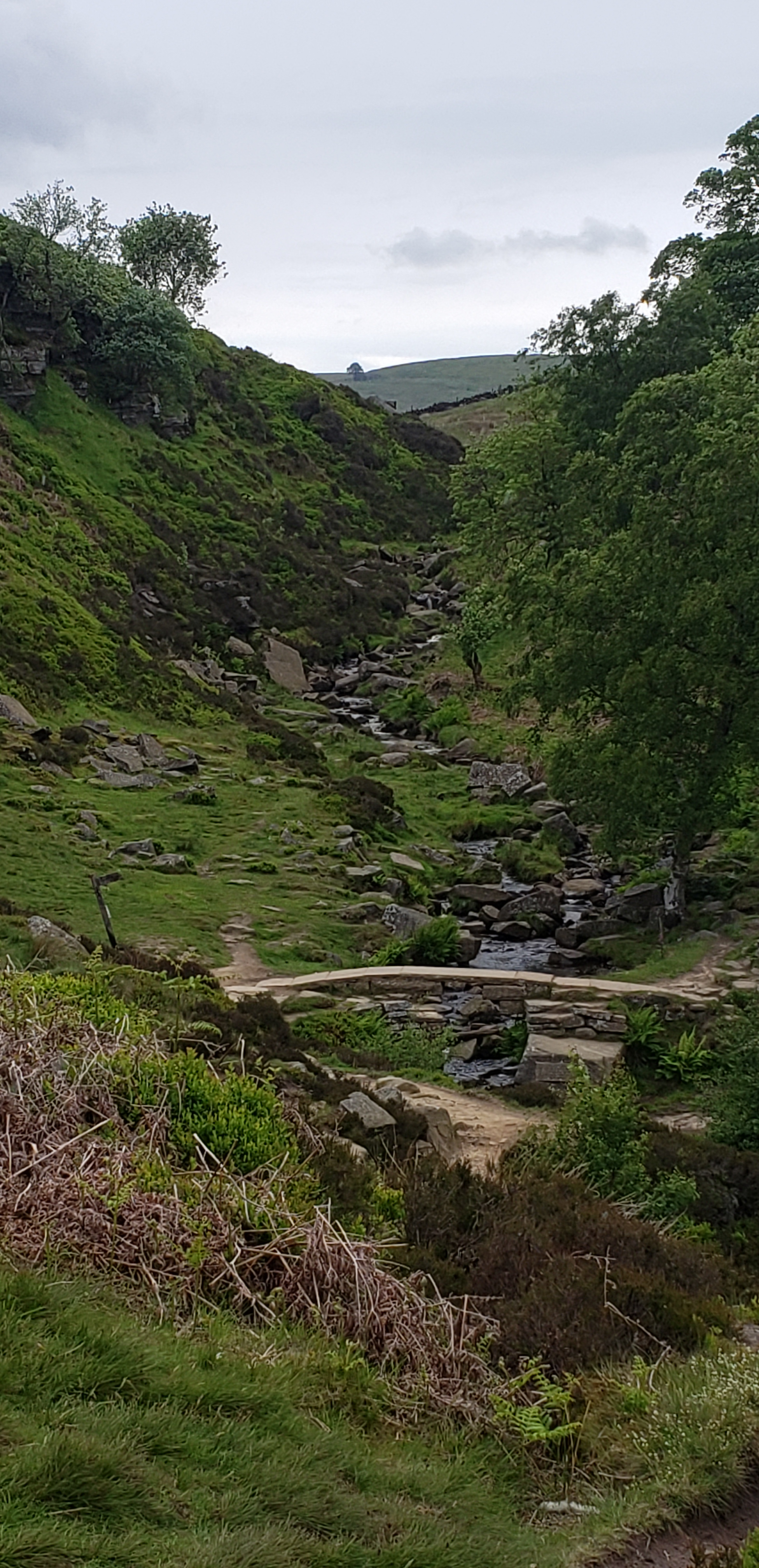
During many excursions with my classmates, there were some very physical demanding moments in which I could not keep up them. At one point, I found myself hiking alone on the moors of Haworth for five miles.  If I hadn’t known previously that I feel more comfortable in silent moments or that I prefer to go through some hardships alone, always being left behind or excluded might have had a damaging mental impact for me. However, those solitary moments just reaffirmed that I don’t mind being by myself – and that I might, at times, prefer being alone. It also solidified that while people may start the journey with me or aid me in getting there, it’s ultimately up to me to finish it. At any moment, I had the choice of stopping and turning around, of being discouraged that I was much further behind my peers. But I know myself. I know that I will accomplish anything that I say I can, and that my best work is what I do myself, at my own pace. We might have gotten there at different times, but both myself and my classmates were able to see Bronte Falls. They got to enjoy conversation and company, while I (semi) leisurely strolled through the moors, enjoying the scenery, and listening to Lizzo and Miguel.
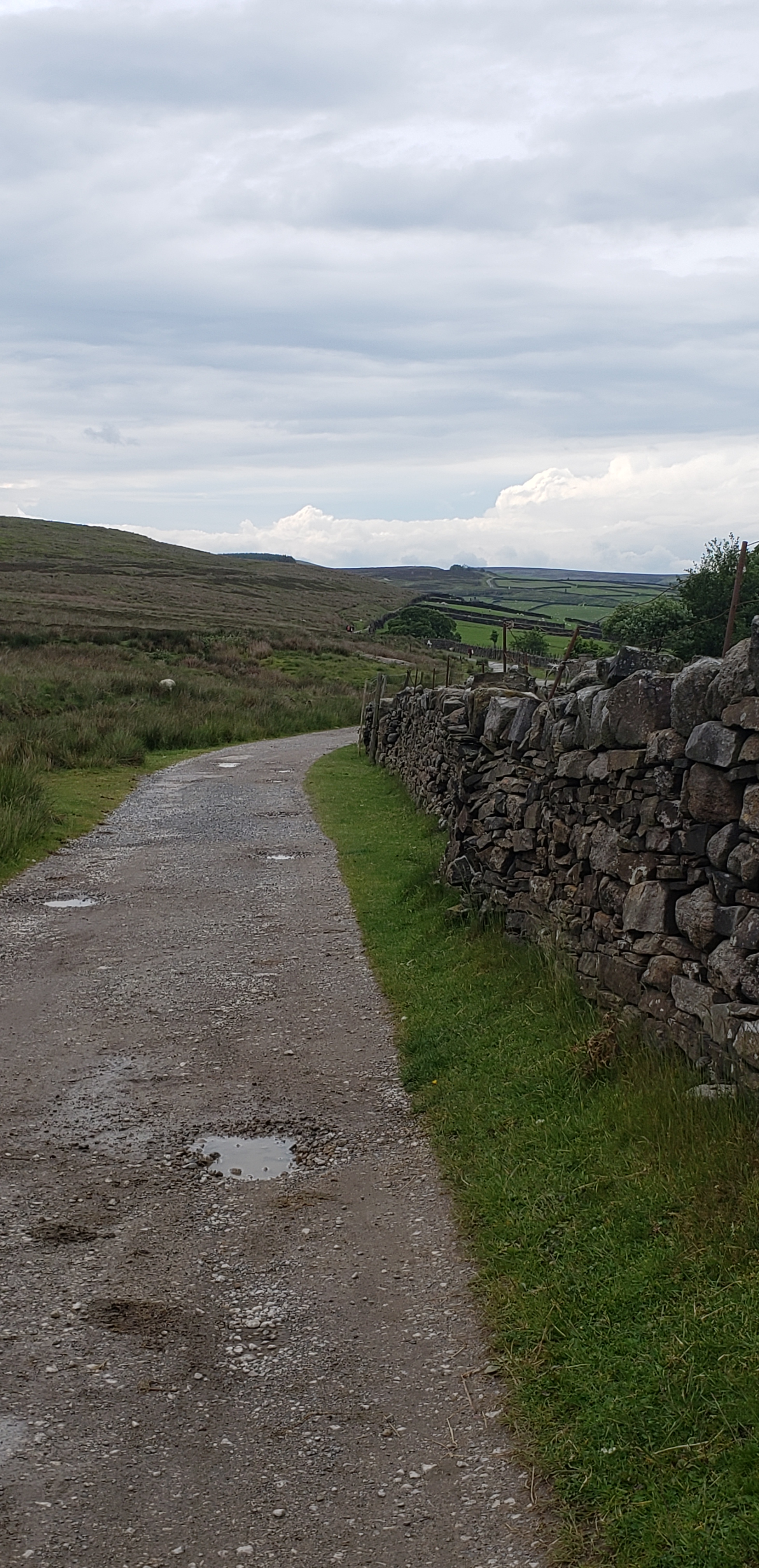
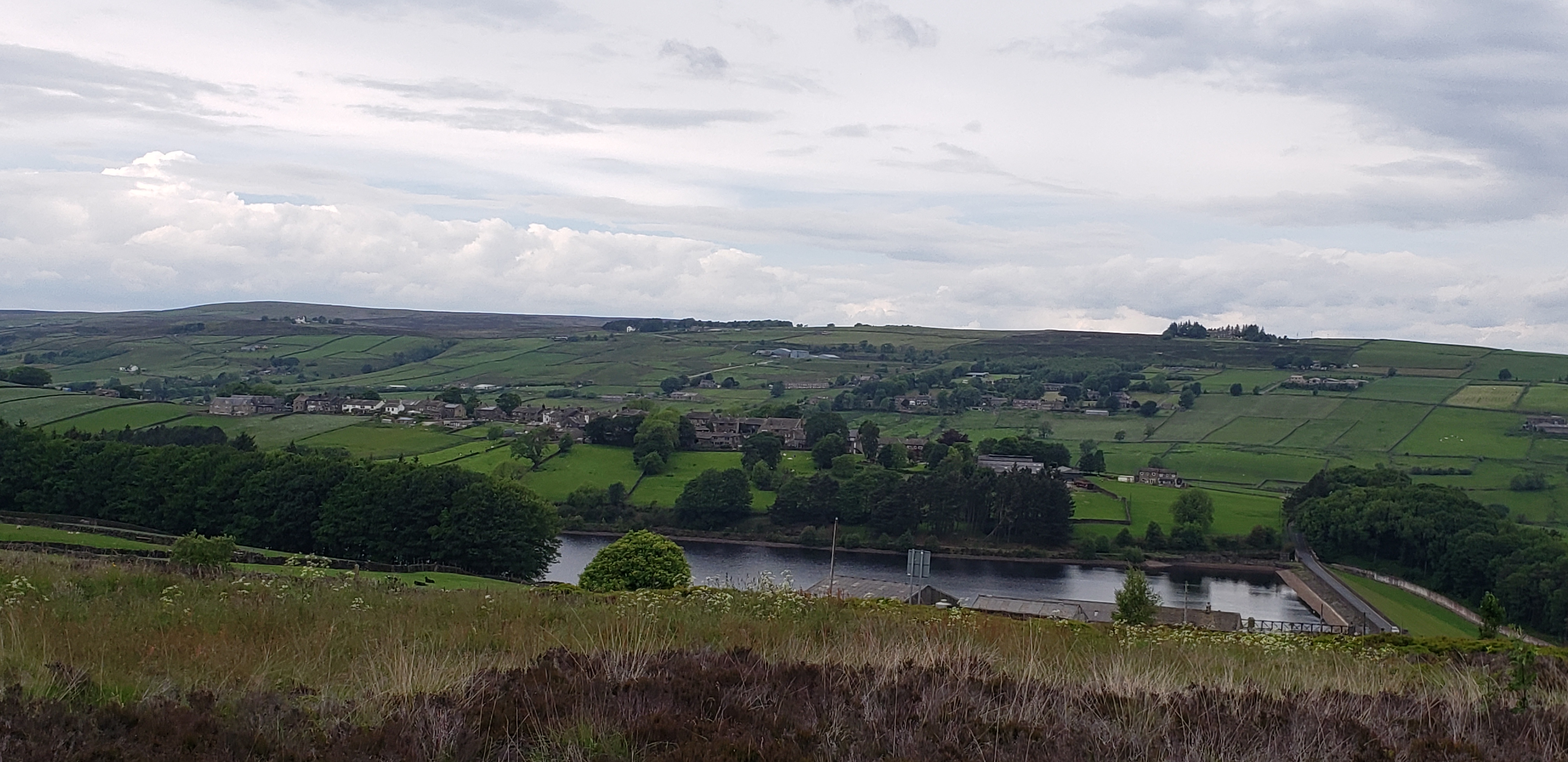
So, my study abroad experience didn’t completely open a new viewpoint for me, but it did clarify some I already had. And I really loved exploring the Gothic form throughout the course. One of my life goals is to ingest as much and as many literary forms as possible in order to best help other writers, so, any opportunity I have to study a genre is already a plus for me. Add to that interesting texts, an engaged classroom, and a professor who is obviously very passionate about the subject matter, and what comes out is an excellent/memorable educational experience. My time in London may not have lived up to other’s expectations, but it far exceeded my own.

Ideas for Final Project

For my final writing assignment, I am juggling between two different character pairings. One pairing I am thinking about doing is placing Heathcliff from Wuthering Heights and Catherine from Northanger Abbey together. Heathcliff stands as a typical gothic “hero”, and his situation meets a lot of the criteria/expectations that Catherine has about Gothic characters. I feel that Catherine’s kind nature and naivety paired against Heathcliff’s aggression and nefarious nature would produce interesting reactions. It might also be an interesting catalyst for spurning the change in Catherine that comes later in the novel. While Tilney’s “awakening” for Catherine was very kind, I imagine that an “awakening” from Heathcliff would not be so.

The second pairing that I am contemplating would be between Catherine from Northanger Abbey before her “awakening” and Catherine after her “awakening”. I feel that seeing the contrast between the two different Catherines would be interesting as well. It would serve as a self-reflective, almost cathartic moment for Catherine and, depending on the setting, could lead to some very humorous moments.

When speaking of setting, I am unsure of where I would like to place either of these pairings. I know that for the Heathcliff/Catherine pairing I wouldn’t like to place them in the house of Wuthering Heights, or any other location from that novel. I feel that placing Heathcliff in those situations would give him too much of a power advantage in a situation that he would presumably already have more power. Other than that, I have no solid ideas about setting for this pair. As for the Catherine/Catherine pair, I know that I would like to put them in a traditional/stereotypical Gothic setting. In order to get the most out of their interacts, I would like for them to be in some type of situation in which they have to depend on one another to “escape”. Other than these possible pairings and a general idea about setting, my ideas are pretty fluid about the final writing project, and I would be open to anything.

Carmilla: Gothic and Beyond

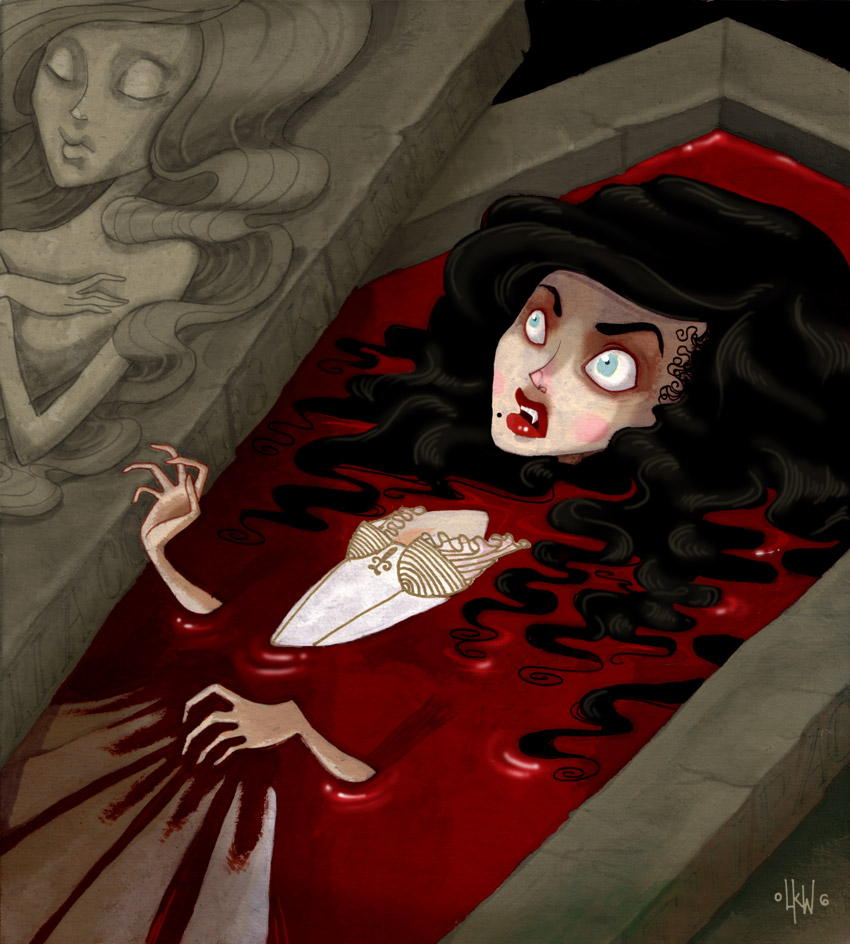
Sheridan Le Fanu’s “Carmilla” stands as one of the first vampiric fictions ever written. This, coupled with the fact that the vampire in question is a female who expresses a “romantic” relationship with the heroine of the narrative, makes “Carmilla” a dynamic story in the Gothic. Aside from the presence of a monstrous creature that haunts and/or terrorizes individuals, “Carmilla” is Gothic in the manner in which it presents and blurs boundaries.

One motif of the Gothic is the exploration of boundaries and/or binaries. More specifically, Gothic fiction presents these binaries and boundaries and blurs them. This can happen in the literal sense (i.e.  a specter passing from the earthly realm to the spiritual realm) or in a more metaphorical sense (i.e. a person’s individual role being both good and evil). In Fanu’s “Carmilla”, one aspect of “blurring” can be seen in the protagonist’s reaction to Carmilla. When she is describing how she feels about Carmilla, she states that she “experienced a strange tumultuous excitement that was pleasurable…mingled with a vague sense of fear and disgust” and that she “was conscious of a love growing into adoration, and also of abhorrence” (264). The emotions that she is experiencing act as a juxtaposition, while also functioning as convergence.  

She is both drawn to and repulsed by Carmilla. Her emotions can be seen as boundaries blurring and likewise can the source of these emotions be seen in a similar fashion. It isn’t immediately clear whether or not she is drawn to Carmilla because of her vampiric abilities/charm or because she is sexually attracted to her as a woman. Assuming that she is attracted to Carmilla as a woman, is she, then, repulsed by Carmilla herself or her feelings for Carmilla. These indistinct elements are popular characteristics of the Gothic form and is one way in which Fanu brings “Carmilla” into the Gothic and beyond.

Who Am I? Who Are You?: Dr. Jekyll and Mr. Hyde

In reading the Strange Case of Dr. Jekyll and Mr. Hyde, one of the most prominent aspects to be discussed is the relationship between Dr. Jekyll and Mr. Hyde. The true nature of the relationship is only revealed at the end of the short story through Henry Jekyll’s Statement of the Case. However, because this statement comes from Dr. Jekyll, it is steeped in his viewpoint and basis of the situation. It is in the final paragraph of his statement that Dr. Jekyll makes most clear his opinion of Mr. Hyde – or at least the opinion that he may want the reader to have.  

In this last paragraph, Jekyll sees Hyde and himself as separate beings, removed from each other’s actions: “Will Hyde die upon the scaffold? or will he find the courage to release himself at the last moment? God knows; I am careless; this is my true hour death, and what is to follow concerns another than myself” (66). Jekyll’s questioning of Hyde’s motives and actions suggests a distance between the two individuals. In this statement, while Jekyll says that their actions are separate, he does not deny that the results of these actions can affect each other. Jekyll seems to want to separate himself from Hyde but not separate himself from the consequences of Hyde.  After reading the story, Hyde and Jekyll seem to be connected in that their actions are of one another and affect one another. They are physically connected in body, mentally separate in thought, and morally connected in deeds. Throughout the entirety of his final statement, Dr. Jekyll has simultaneously combined and interchanged his own identity with Hyde’s identity; however, in his last paragraph he tries to establish a separation from Hyde. Even as he tries to create a separation in the end, the connection between the two men remain – because when Dr. Henry Jekyll dies, so too does Mr. Edward Hyde.

-Toria F.

My Time on the Moors

I want to be honest. For a large majority of my trip in Haworth and on the moors, I was more concerned with my own physical well-being than the actual scenery. The Bronte Parsonage Museum sits on top of a very, VERY steep hill. I was too busy questioning my life and cursing the architects to really enjoy it. However, once at the top of the hill, my modern pains began to fade away, and I found myself sinking into a Bronte novel. A similar phenomenon happened as I made my way to the Bronte Falls. The 2 ½ mile hike (largely uphill) to the falls can pull an individual from the outside and draw their attention on themselves. However, when the moors leveled out the atmospheric influence prevailed against me.

The presence and/or influence of nature is common thread throughout all of the Bronte’s publications, and in walking the paths that they did, it is easy to see why. Standing on the moors, with nothing but the sky, the earth, and yourself…that experience can foster quite an imaginative spirit.

I feel that while the moors and Haworth brought me closer to the Brontës, the Bronte Parsonage Museum may have taken me farther away. I don’t say this because the Parsonage is a bad institution or because I had a bad time. In actuality, I had an amazing time; however, the setup of the Parsonage took away from the personal aspect of the home. Earlier, in the month, I visited the Sherlock Holmes Museum. That felt like more of a real home to me than the parsonage. In the Holmes museum, a guide is dressed in the attire of that time and informs the “guests” about certain aspects of the home. While most of the artifacts are laid so as not to be touched, they are laid as if they had previously been in use. This combined with the narrative aspect paints a better picture of Sherlock Holmes for me, making me feel “closer” to him. However, the Parsonage is laid out like a museum, with all of the real personal artifacts placed behind glass cases alongside some text with information. This setup allows for me to be more knowledgeable about the Brontes, but I don’t feel “closer”, and I find it hard seeing them as people and not just names.

Lockwood in Wuthering Heights

In Emily Bronte’s Wuthering Heights, the character of Lockwood plays a seemingly minor role. Lockwood is a tenant of Thrushcross Grange, the home across from Wuthering Heights. Mr. Lockwood becomes sick one evening, and, in order to entertain him, his housemaid, Nelly, recounts the history of the two houses and the landlord, Heathcliff. In this way, Lockwood’s story acts as the frame for the main narrative, while Lockwood himself functions as a secondary narrator. The story of Wuthering Heights is mostly a retelling of a secondary agent’s account of past events. Lockwood is a device used to present the story to readers; however, he is also representative of a reader in that situation. The area of Wuthering Heights and Thrushcross Grange is very isolated and as such, residents in that area are already aware of its history. Lockwood is a curious and clueless outsider. He asks questions about and forms opinions of the main characters in much the same fashion that a new reader might.

Lockwood is representative of a reader; however, he also functions as an example of basis in a narrative. The story of Wuthering Heights has two main narrators: Nelly Dean – a servant of the homes since childhood – and Lockwood. As most of the narrative is given through Lockwood from a very unbiased Nelly, it can be assumed that the descriptions being given may not be a hundred present accurate.

Before he begins recounting Nelly’s retelling, Lockwood gives his first impressions of Heathcliff and the residents of the Heights: “A capital fellow! He little imagined how my heart warmed towards him when I beheld his black eyes withdraw so suspiciously under their brows…I know, by instinct, his reserve springs from an aversion to showy displays of feelings – to manifestations of mutual kindness” (3-5). Even though the descriptors that Lockwood provides would seem to indicate that Heathcliff and the Heights are both foreboding and unpleasant, that is not the impression that they give Lockwood. Lockwood places his own bases on them, behavior he fully admits to doing: “I bestow my own attributes over-liberally on him” (6). As the narrators of Wuthering Heights very openly admit that basis plays a role in the story, they both provide two different examinations of the theme; Nelly, as a lifelong agent, and Lockwood, as a short-term outsider.  

The Merry Wives of Windsor: An Experience

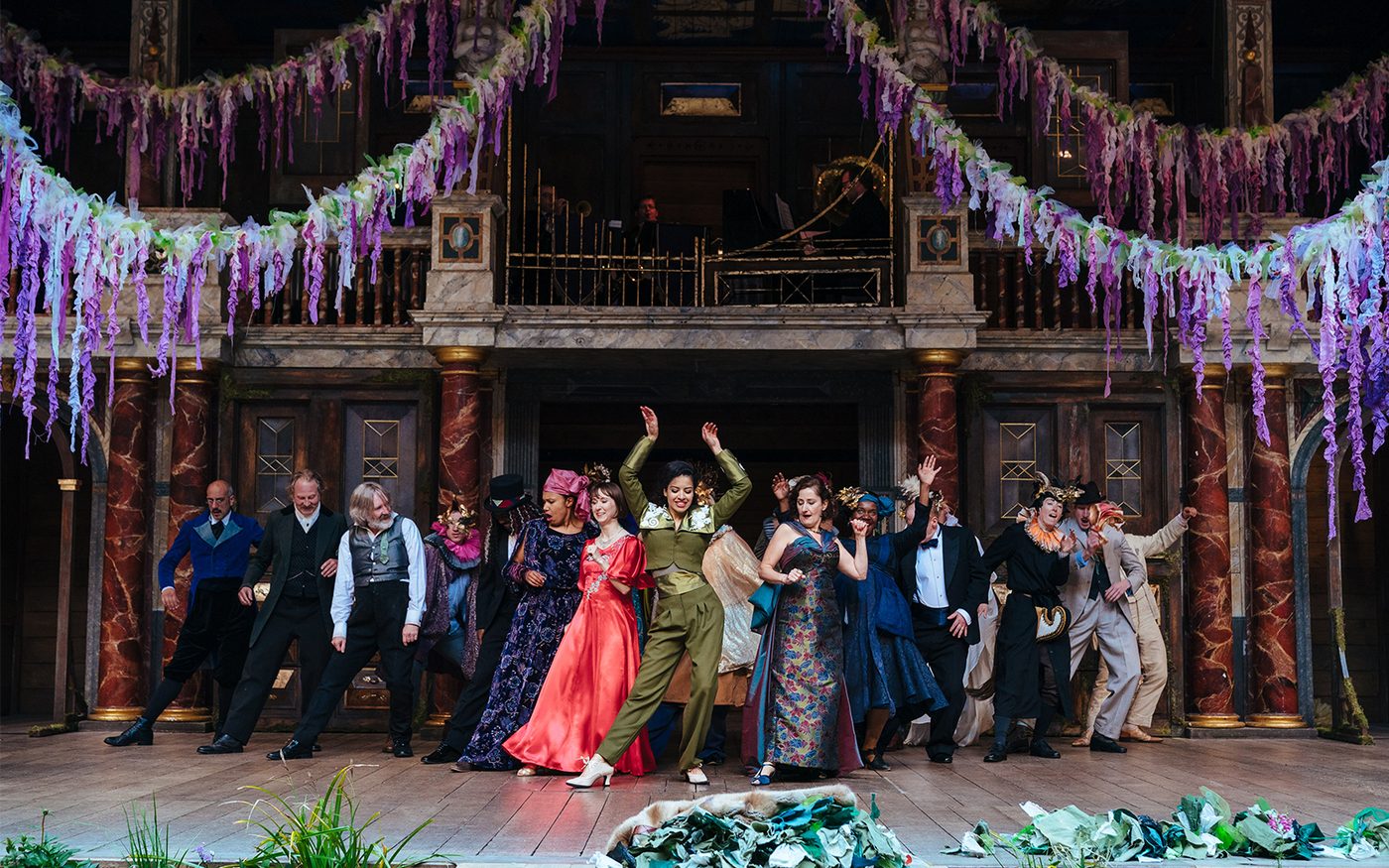
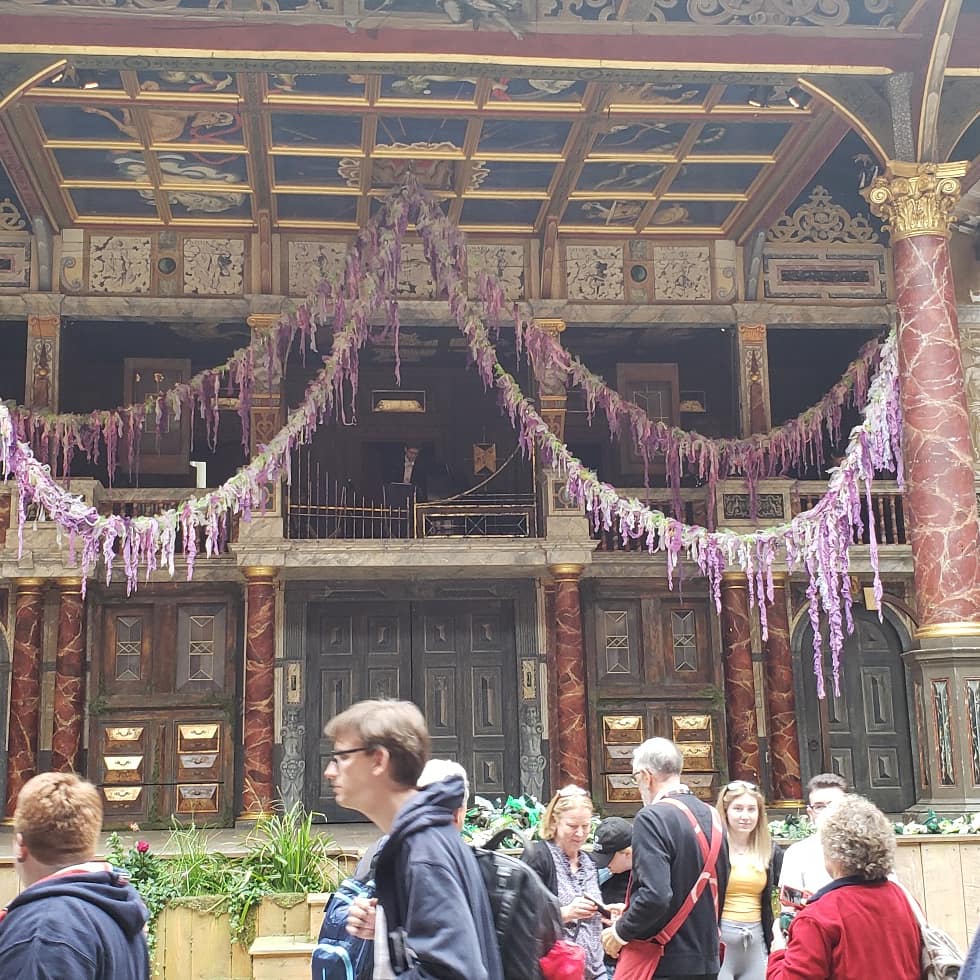
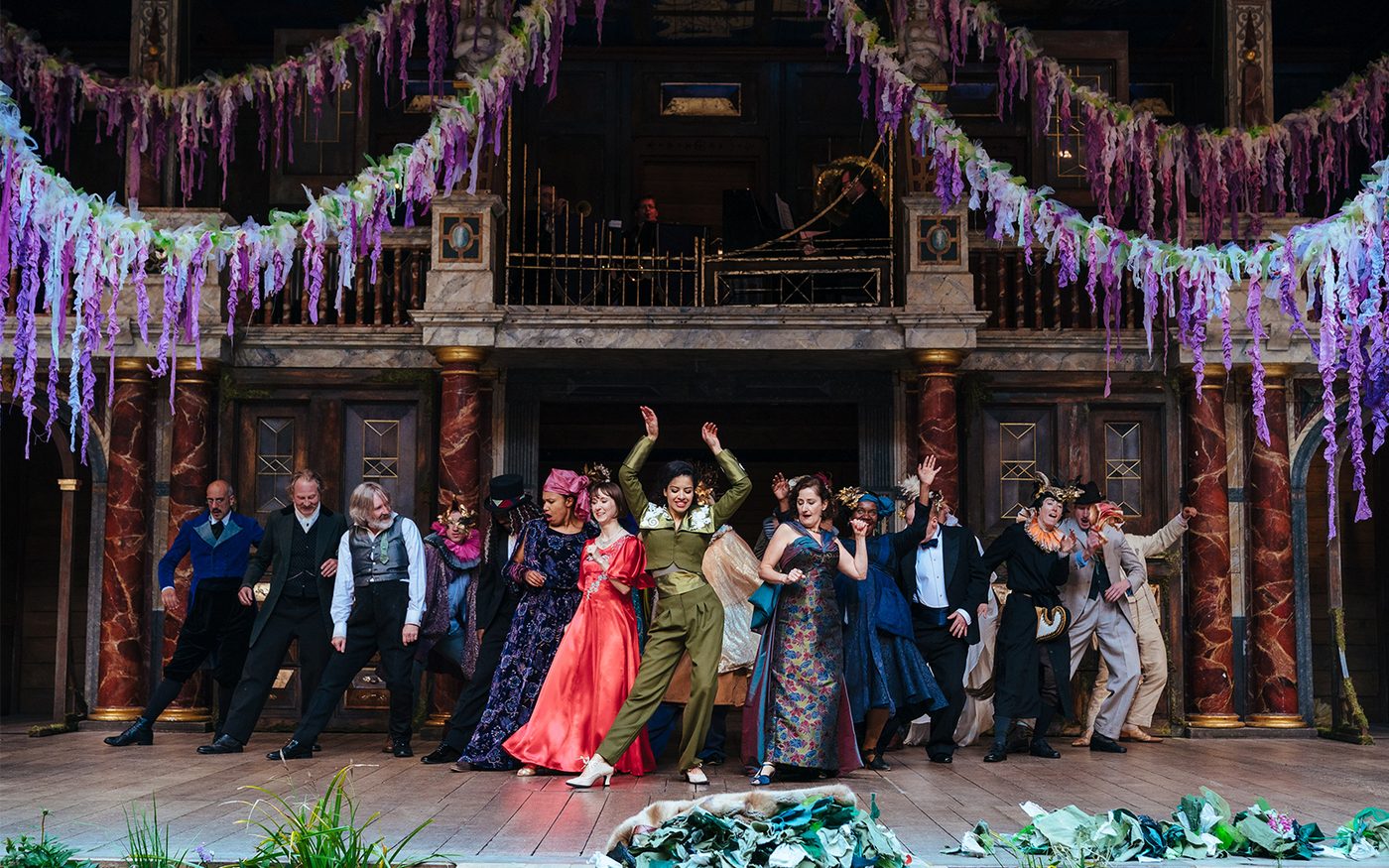
I am a HUGE Shakespeare fan. I have read so many of his works over the years, and every time that I read one, it reaffirms my belief that he is THE greatest writer this world has ever had. William Shakespeare is my biggest literary icon, inspiration, and crush. So, the chance to see one of his plays at the Globe in London was already preset to be an experience for me. However, I feel that The Merry Wives of Windsor is one that will go beyond individuals like me and be a fantastic experience for all.

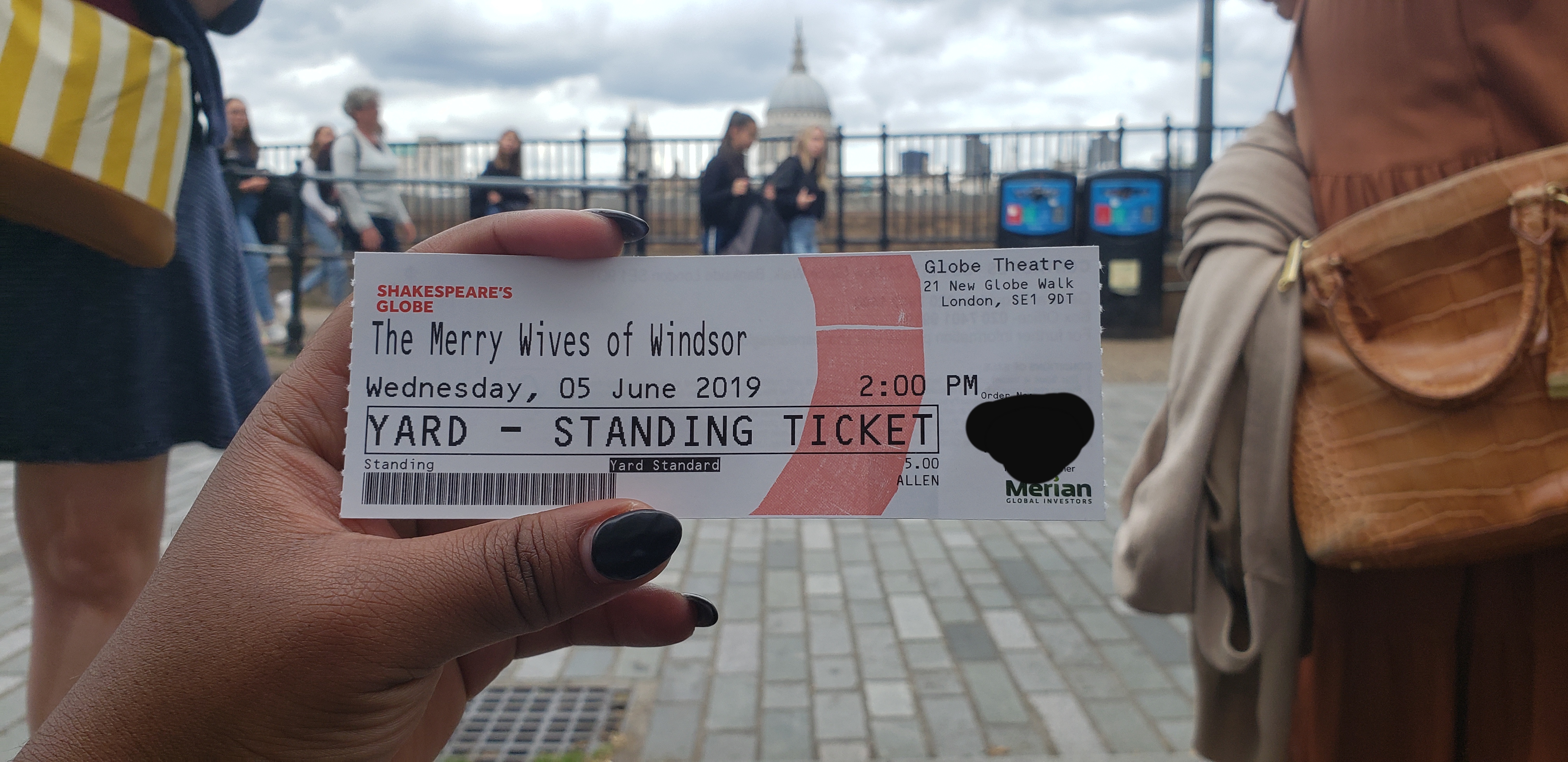
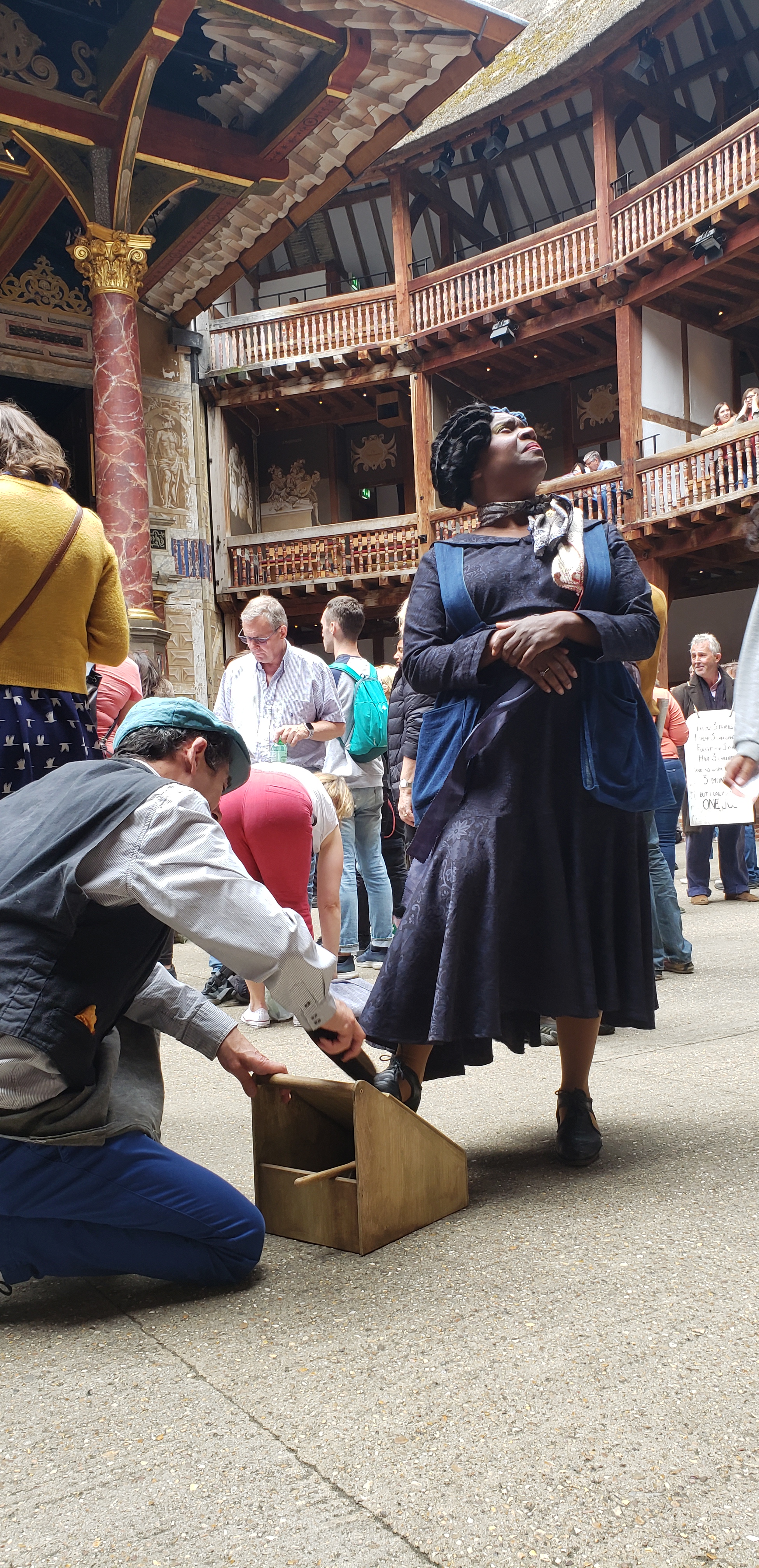
One aspect that is built into the experience of watching a show at The Globe is being a “groundling”. In Shakespeare’s time, the average low-class individual would stand in the areas around the stage – seating in the theatre was usually reserved for royalty and the rich. So, to maintain the authenticity of the Globe, individuals can purchase cheaper tickets to be a groundling and stand for the performance – only seating for the intermission. Also, inherent to the plays performed in the original Globe, the actors interact with the groundlings a lot thought the show. For these reasons, I loved and recommend being a groundling. I honestly think it’s something that should be experience once…heavy emphasis on “once”. Being a groundling is a very physical experience and while it does add to the whole atmosphere, being a simple viewer doesn’t in anyway subtract from it. This always relays back to my point of Merry Wives being one of Shakespeare’s plays that is “beyond” him.

The Merry Wives of Windsor is a comedy and one of Shakespeare’s lighter plays. There are numerous instances of gags and dirty jokes and physical comedy throughout. This, along with the fact that this particular adaption is stylized around the 1930s, brings it closer and makes it more connectable to the audience. And EVERY actor within this play has such amazing comedic timing and so physically embodies their role that it holds the audience within the story. So, if you’re a groundling or seated without a cushion, the story and acting pull you away from the pain in your feet or the ache in your back for a moment. If you’re a die-hard Shakespeare fan or if you wouldn’t read him if someone paid you to or if you just want to have a good time, The Merry Wives of Windsor at the Globe in London is an experience that you need.

Ten Things I Want to Do in London

  • The Doctor Who Shop and Museum

https://www.thewhoshop.com/

As a massive Whovian, I would love to visit/see as many Doctor Who related things as possible. While vague ideas for visiting some of the more famous filming sites are in my mind, a definite must-see is this museum/fan-shop.

  • William Morris Gallery

https://www.wmgallery.org.uk/

While I am not familiar with Morris’ work myself, it has been recommended as a great visit. Located in his childhood home, this museum is said to present a very personal and in-depth look at the Victorian artist. This aspect, along with an entry fee of Free.99, are great motivators to give the gallery a visit.

  • Underground Supper Club

https://supperclub.tube/

One way to pique my interest for an event is for that event to be centered around food. Now place that event inside an old refurbished 1960s tube carriage and I am officially intrigued. With an ever-changing menu prepared by world-renowned chefs, the Underground Supper Club definitely seems like an experience that must be had.

  • Sky Garden

https://skygarden.london/

The Sky Garden boasts of being London’s Highest Public Garden and offers quite the view of the London skyline while surrounded by beautiful greenery. If you reserve a spot in advance, you can experience all that the Sky Garden has to offer for free. The spots available are only for an hour; however, it does present a cheaper alternative to a similar experience like that of The Shard.

  • Old Spitalfields
  • Borough Market
  •  Camden Market

Remember what I said was one way to pique my interest…no, not swear words… that’s right… food. So, you’ll have to forgive me for the fact that three of the things on my list are markets. But these three markets are all said to present different vibes and food experiences, so I’m really interested in visiting them and comparing and contrasting them…for the sake of research of course.

  • The British Museum

https://www.britishmuseum.org/

Besides food, I am very interested in viewing and learning about art and different types of culture. Something the British Museum is said to do very well. The large majority of the museum can be viewed for free; however, there are some “Special Exhibits” that have an admission fee to view. Either way The British Museum definitely seems like a must-see experience

  • BFI

https://www.bfi.org.uk/

The British Film Institute is a charitable organization that focuses on expanding and maintaining the cinematic art in London. Along with several exhibitions and film festivals over the year, BFI screens a variety of different films, both classic and contemporary, every day in their Southbank and IMAX theaters. As a movie lover on the peak of becoming a snob, a showing at BFI sounds like an amazing event.

  • Froth and Rind

https://www.frothandrind.com/

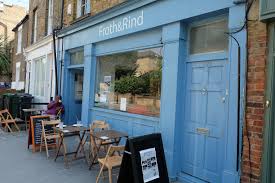
To end this list, I thought we could wrap back to a reoccurring theme that’s been present: food. Froth and Rind is a fine cheese and beer shop located in Walthamstow. With supposedly punny food names and delicious meals, this little out-of-the-way shop sounds like a great stop.

Honorable Mentions:

  •    Doctor Who Walking Tour
  •    BTS Concert
  •    Secret Food Tour of London
  •    Chinatown
  •    Stratford-upon-Avon

Victorian? Gothic? Literature? What the Heck is It?

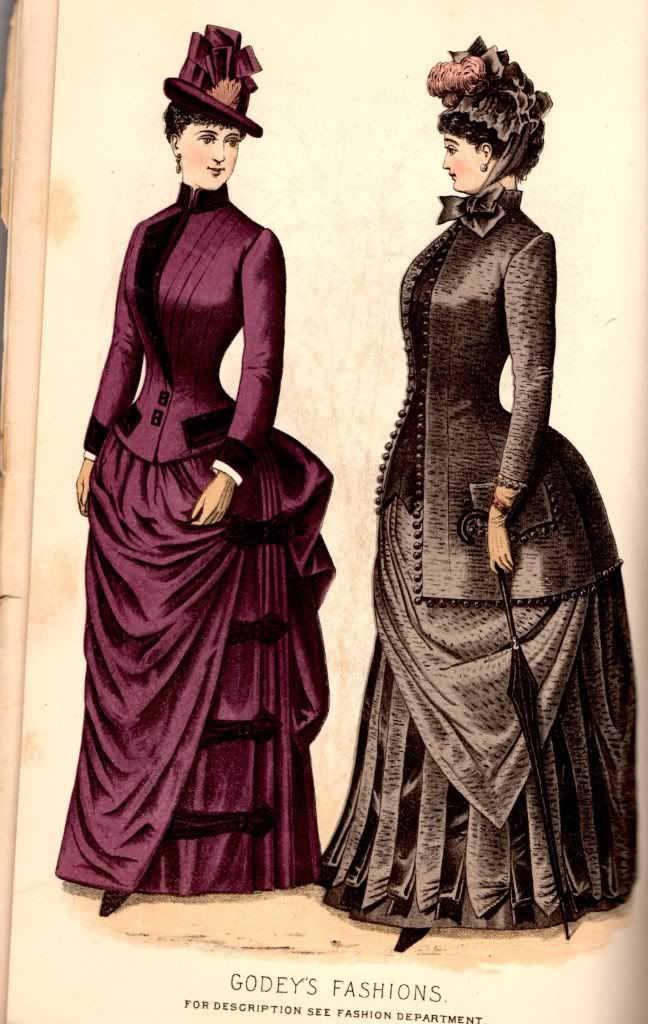
     Having taken a handful of classes centered around British Lit, I have a broad sense of what the Victorian lifestyle/literature entails. Saying these words, I imagine a very prime and proper young lady wearing an old-fashioned dress with full length sleeves and a neckline up to her chin. (like this) 

d61e9a39320f49ec2f2fbf85bc200313

    When I think Victorian, I think of manners and decorum and courtships and other nice, proper things.  However, I also think of rigidity and censorship and social pressures and gender roles and other not so nice, proper things. Beyond, this, however, my image of Victorian life gets a little fuzzy. While I am familiar with them, I have study very few “Victorian” authors in-depth, and, in a hypothetical conversation about this topics, I believe I would find myself functioning primarily as a listener.

And while my sense of Victorian Literature is small, in comparison to my sense of Victorian Gothic Literature, the former seems quite substantial. Most of the classes I have had around British Literature focused on literature throughout several time periods in British history. As such, we never spent much time looking deeply into sub-genres of a specific period. Given this, when I picture the word “gothic”, mostly this comes to mind:

maxresdefault

Now I have enough sense to know that British authors from the 19th century are probably not writing about individuals like this, but I can’t imagine the use of this word to describe both literature and people is completely unrelated. So, without any research I would take a guess to say that Victorian Gothic Literature focuses largely on death and other topics with darker themes. I also imagine that in order to engage the reader in the narrative of this themes, the setting and/or dialogue must in some ways mimic or display these darker aspects

For the summer, I’m studying aboard and will be studying Victorian Gothic Literature. So, I will see through my studies and excursions if my assumptions made in this post are at all similar to the actuality of the genre. Fingers crossed.

-Toria F.

Design a site like this with WordPress.com
Get started