
Having taken a handful of classes centered around British Lit, I have a broad sense of what the Victorian lifestyle/literature entails. Saying these words, I imagine a very prime and proper young lady wearing an old-fashioned dress with full length sleeves and a neckline up to her chin. (like this)
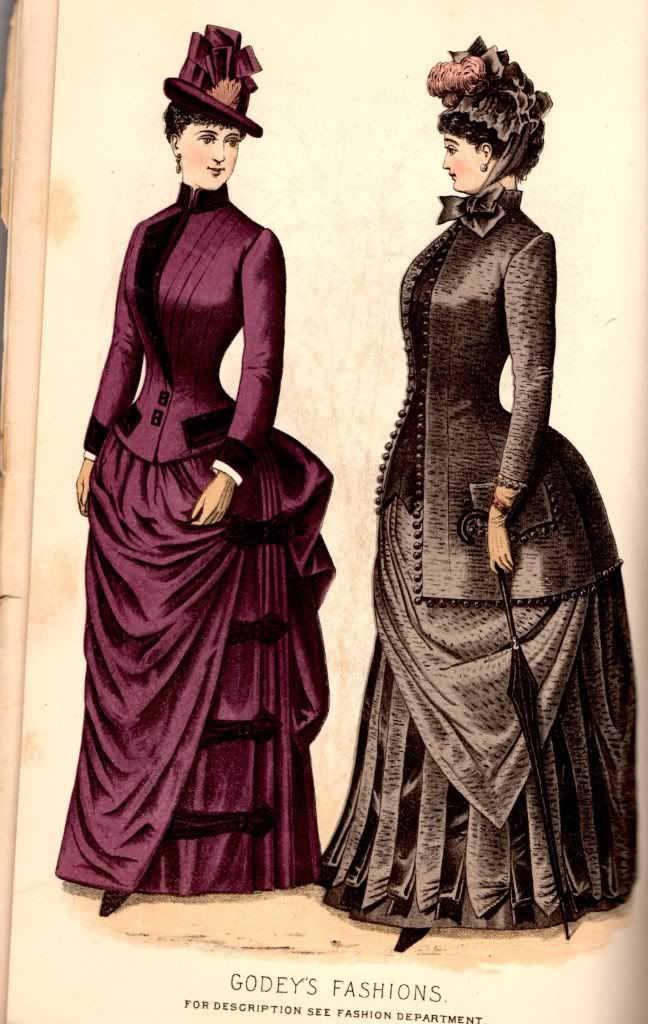
When I think Victorian, I think of manners and decorum and courtships and other nice, proper things. However, I also think of rigidity and censorship and social pressures and gender roles and other not so nice, proper things. Beyond, this, however, my image of Victorian life gets a little fuzzy. While I am familiar with them, I have study very few “Victorian” authors in-depth, and, in a hypothetical conversation about this topics, I believe I would find myself functioning primarily as a listener.
And while my sense of Victorian Literature is small, in comparison to my sense of Victorian Gothic Literature, the former seems quite substantial. Most of the classes I have had around British Literature focused on literature throughout several time periods in British history. As such, we never spent much time looking deeply into sub-genres of a specific period. Given this, when I picture the word “gothic”, mostly this comes to mind:
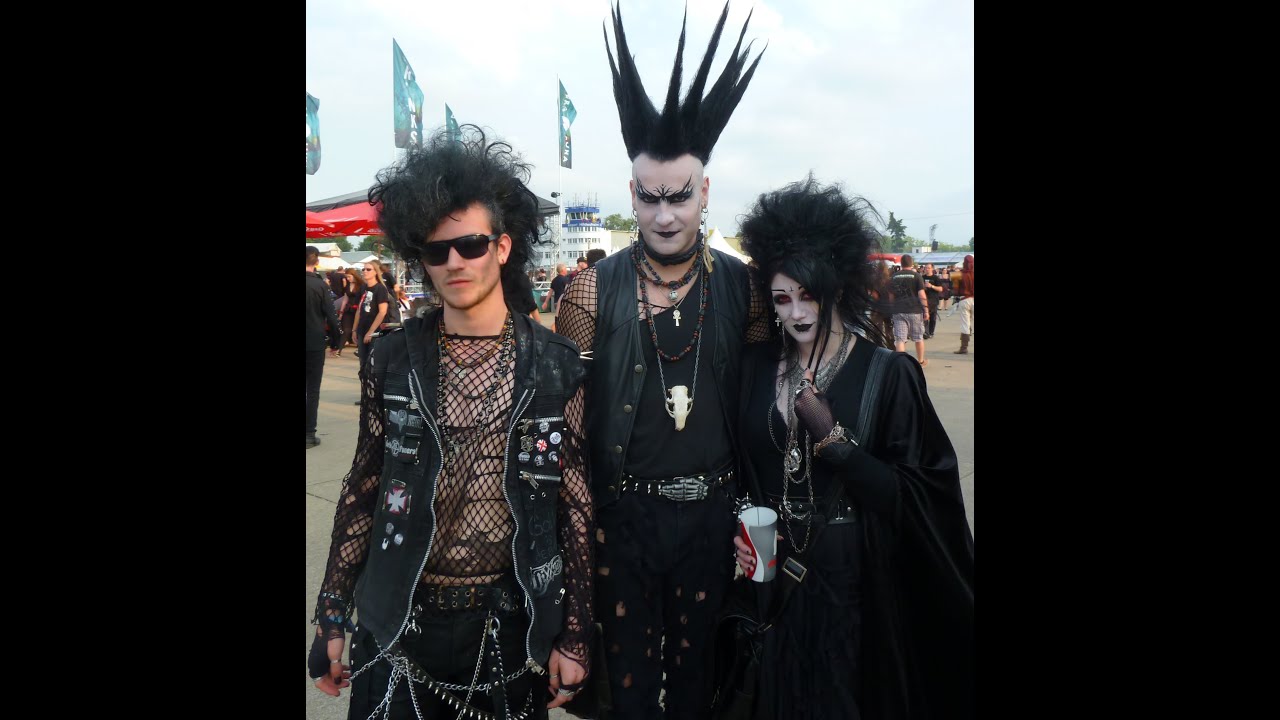
Now I have enough sense to know that British authors from the 19th century are probably not writing about individuals like this, but I can’t imagine the use of this word to describe both literature and people is completely unrelated. So, without any research I would take a guess to say that Victorian Gothic Literature focuses largely on death and other topics with darker themes. I also imagine that in order to engage the reader in the narrative of this themes, the setting and/or dialogue must in some ways mimic or display these darker aspects
For the summer, I’m studying aboard and will be studying Victorian Gothic Literature. So, I will see through my studies and excursions if my assumptions made in this post are at all similar to the actuality of the genre. Fingers crossed.
-Toria F.
 Stuff & Things with Toria